How to Encourage Your Child’s Imagination, Creativity & Independence
Every child has a unique imagination, endless curiosity, and their own special way of exploring the world. Encouraging your child’s imagination and creativity is an important part of healthy childhood development. Through imaginative play, creative activities, and opportunities to make independent choices, children learn to express themselves, build confidence, and develop important life skills.
Not only is imagination and curiosity a crucial part of childhood, it transfers directly into adolescence and adulthood as well. As our children are continuing to grow and learn from the world around them, fostering creativity and allowing/teaching our kids to think outside the box will not only set them up for short term success in childhood but will allow them to continue to nurture those skills as they age and mature. Creative thinking is an important part of not only a playful imagination but of real life scenarios like school, work, and general life.
Before you know it your toddler will no longer be a toddler. As children sprout during this period and seem to grow overnight, this is the prime age to really allow your child to focus on their creativity while their imagination is at a peak inspired by the world and people around them.
So, how can parents nurture their child’s creativity while encouraging independence? Here are five simple ways to help your child’s imagination flourish.
1. Encourage Active Exploration
Just like any other skill, imagination and creativity grow through practice and exploration. Rather than directing every activity or telling your child exactly what to do, give them opportunities to engage with new ideas, experiences, and surroundings.
Ask open-ended questions, encourage curiosity, and take time to explore your child’s thoughts and ideas together. Questions like “What do you think would happen if…?” or “Can you think of another way to do that?” invite children to think creatively and develop their own solutions.
The goal isn’t to push your child in a particular direction. It’s to encourage them to explore, experiment, and discover the world around them.
2. Encourage Choices and Independence
One of the most beautiful things about creativity is that it looks different for every child. Each child has their own interests, preferences, and ways of expressing themselves.
As your child learns to navigate the world, give them opportunities to make age-appropriate choices. Let them decide which activity they’d like to try, what colors to use in an art project, or how they’d like to play with their toys.
Allowing children to make their own decisions in safe, supportive environments helps build confidence, independence, and problem-solving skills. It also teaches them that their ideas and opinions matter.
3. Get Colorful and Creative
Let’s face it: kids can be messy! But when it comes to creativity, a little mess can be part of the fun.
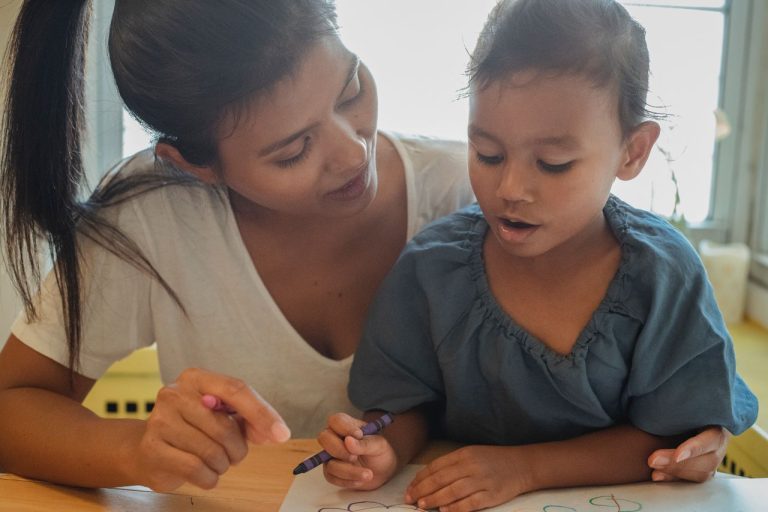
Give your child opportunities to explore different creative outlets through art, music, sensory play, toys, games, and hands-on activities. Simple materials like crayons, markers, paint, and play dough can open the door to endless possibilities.
Rather than focusing on creating something perfect, encourage your child to experiment and enjoy the process. Let them mix colors, build something unexpected, or come up with their own unique way to use everyday materials.
Of course, safety should always come first. Choose age-appropriate materials and supervise activities when needed. Most importantly, give your child the freedom to explore and discover what they enjoy.
4. Let Their Creativity Flow
Children need room to explore their interests at their own pace. As parents, it’s natural to want to guide their experiences and introduce them to new activities. However, it’s equally important to recognize when to step back and let their curiosity lead the way.
Pay attention to the activities that naturally capture your child’s attention. Maybe they love building, drawing, dancing, pretending, or spending time outdoors. Encourage those interests without forcing them to participate in activities they don’t enjoy.
Giving children the freedom to follow their interests helps them develop a genuine love of learning and creative expression. Remember, the goal isn’t to create a particular outcome. It’s to give your child the space and confidence to discover who they are.
5. Be a Creative Inspiration
Children learn so much by watching the adults around them. One of the best ways to encourage your child’s creativity is to embrace your own!
Make time for activities that bring you joy, whether that’s painting, cooking, gardening, playing music, reading, or working on a hands-on project. Invite your child to join you when appropriate and let them see that creativity is something people of all ages can enjoy.
When children see their parents exploring new interests, trying new things, and expressing themselves, they learn that creativity doesn’t have to be perfect or limited to childhood.
You don’t have to be an artist or have a special talent to inspire your child. Simply showing curiosity, enthusiasm, and a willingness to try something new can make a meaningful difference.
The Connection Between Imagination and Play Therapy
Imagination is about more than creativity. For children, play is also one of the most natural ways to explore their feelings, communicate their experiences, and make sense of the world around them.
Sometimes children don’t have the words to explain what they’re thinking or feeling. Through play, they can express themselves in ways that feel comfortable and familiar. This is one of the reasons play therapy can be such a valuable resource for children.
Play therapy provides a supportive environment where children can explore emotions, work through difficult experiences, develop coping skills, and build confidence through play.
Supporting Your Child’s Imagination and Growth
Creative minds are extraordinary, no matter how big or small. As adults, we are often reminded of the beauty of seeing the world through a child’s eyes. Their curiosity, enthusiasm, and willingness to explore new ideas can inspire us all.
As your child continues to grow, be their biggest cheerleader. Make time to play, ask questions, encourage exploration, and celebrate their individuality. Give them opportunities to make choices, discover new interests, and express themselves freely.
And remember, imagination is one of the ways children work through big things. If your child is having a difficult time navigating emotions, experiences, or changes in their world, play therapy may offer a meaningful way to support them.
If supporting your child feels challenging, you don’t have to navigate it alone. Claire Eliassen loves working with children and families and helping little ones find their own path toward growth, confidence, and emotional well-being. Reach out to learn more about how play therapy can support your family.
Ready when you are
Seeking help is courageous. Audacious, in fact.
Claire Eliassen, MA, LPC offers counseling for preteen girls, therapy for women and moms, and play therapy for kids in central Denver. Start with a free phone consultation.